Ophthalmology
Department of OPHTHALMOLOGY
INTRODUCTION:
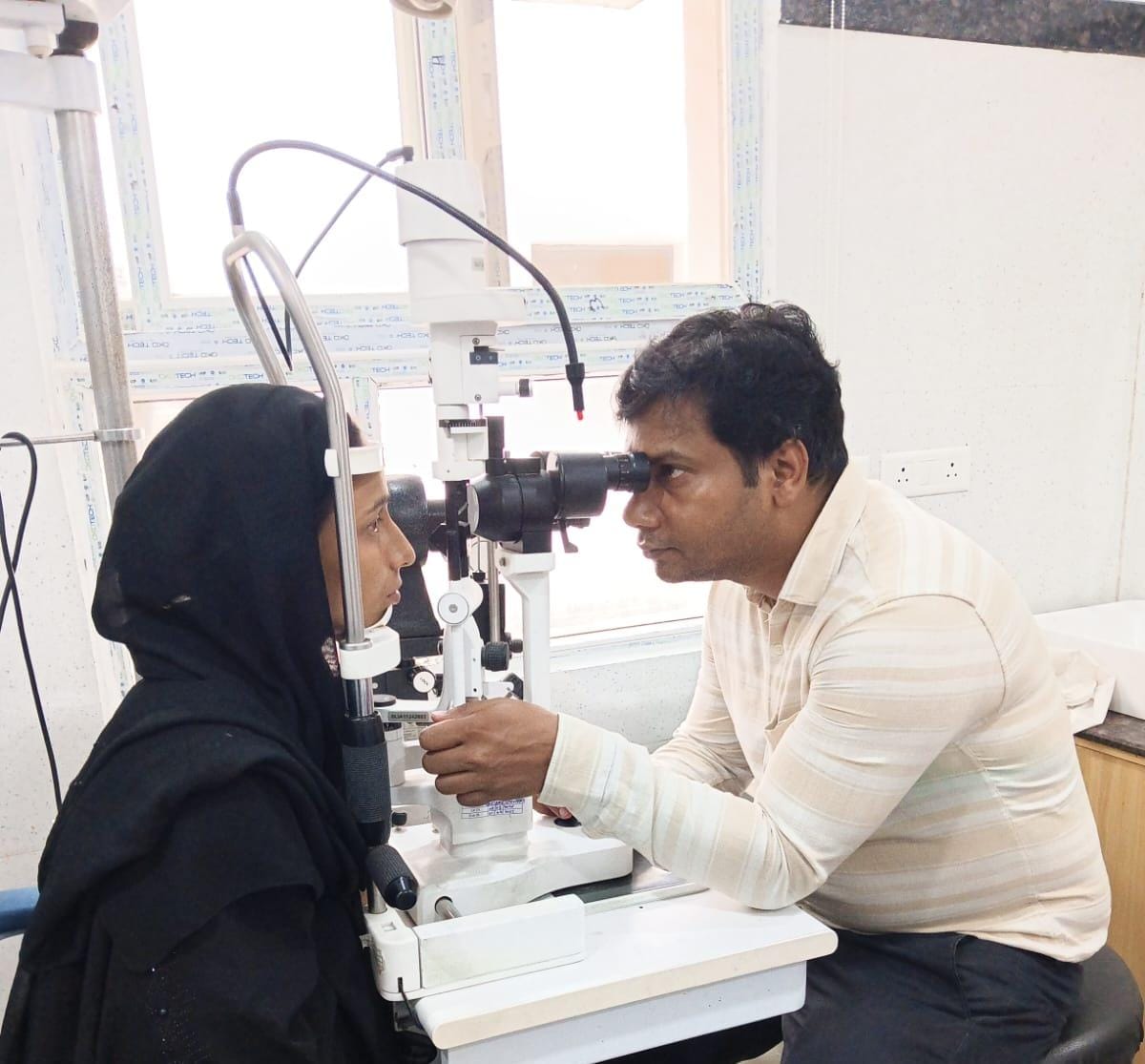
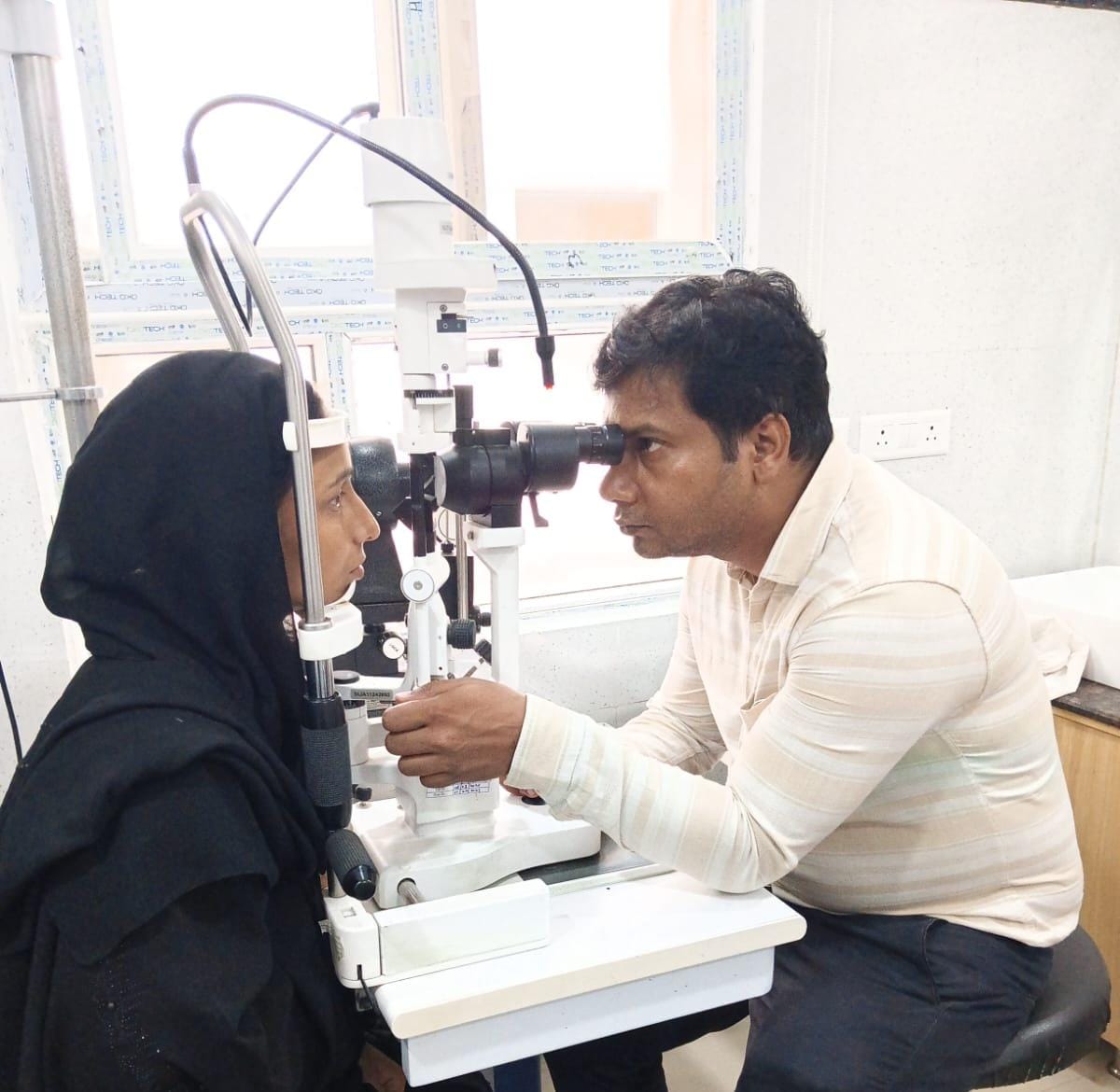
Department Of Ophthalmology has a very important role in the hospital attached to the medical college because a good ophthalmic setup brings a substantial number of patients to the hospital. As eye is a charitable branch and most of the patients belong to lower socio-economic status, a well equipped eye department is a fundamental requirement of any medical college where patients can get cheap and quality treatment.
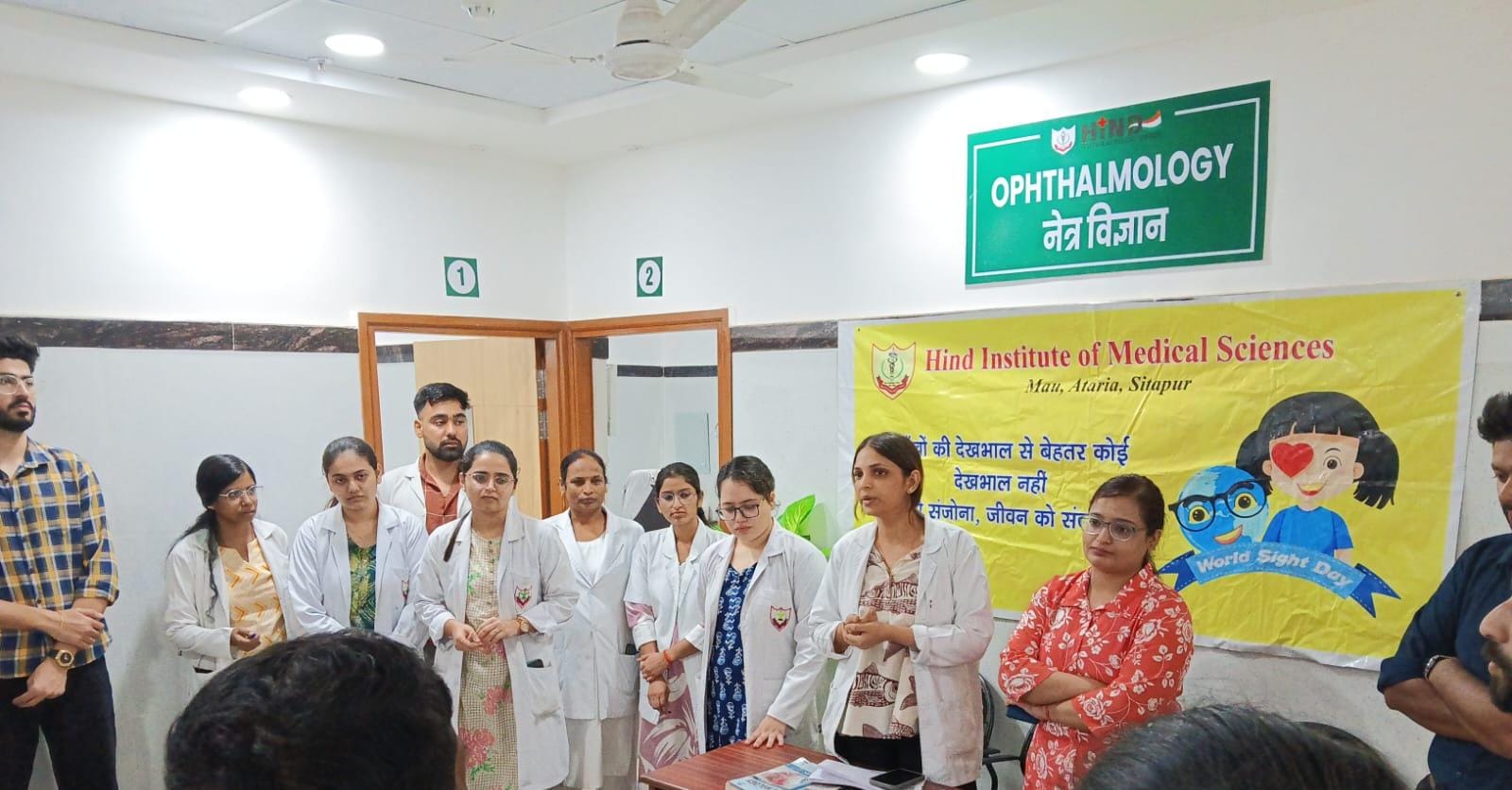
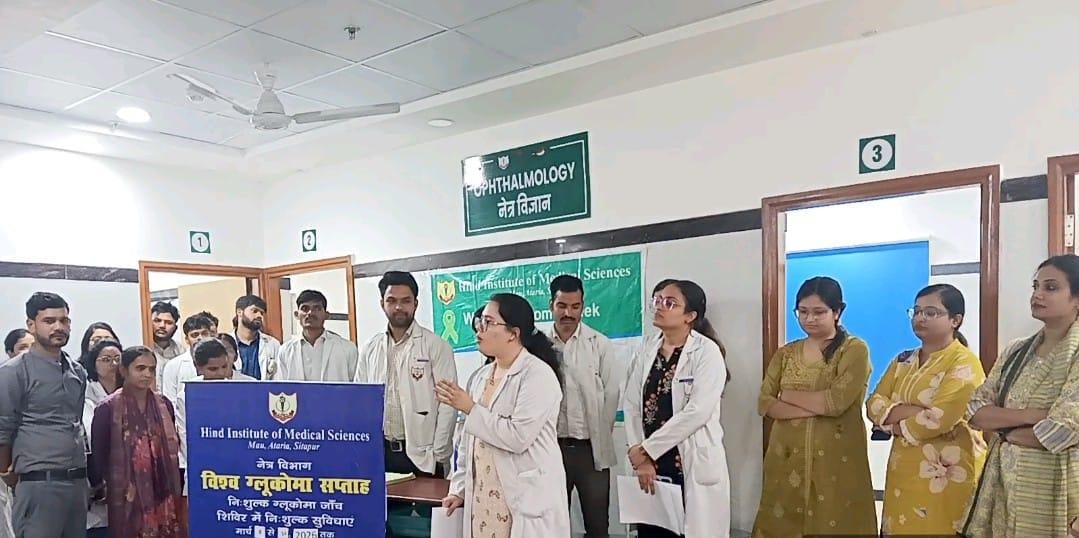
The objectives of our department are: The major objectives of the department are such that at the end of the course, the student shall be able to: Apart from low vision aid clinics, it also started offering treatment for Retinopathies, which requires highly technical equipments (LASER) and specialized skills owing to the extremely delicate nature of the Human eye. The department offers routine spectacle checking, contact lens fitting services and fundus fluorescein angiography (high-end photographic technique for diabetic retinopathy). These are apart from the routine A scan, which provides data on the length of the eye, a major factor in common sight disorders. To provide prompt & accurate diagnosis and treatment of an eye patient in various sub-specialties like cataract, cornea, glaucoma, squint, oculoplasty & retina. To contribute in the national programme of prevention of blindness, department of ophthalmology conducts regular eye camps & school screening programmes. To teach and train medical undergraduates, theory and clinical assessment of routine ophthalmic disorders so that they become better clinicians and can thus help the community. To train and guide postgraduate students so that they become good ophthalmologists as well as researchers. Research activities- Besides latest instruments and proper infrastructure, there is a very well equipped departmental library having latest reference books, journals and internet connection. At the end of the courses, the student shall have knowledge of:
SERVICES:
1-Refraction
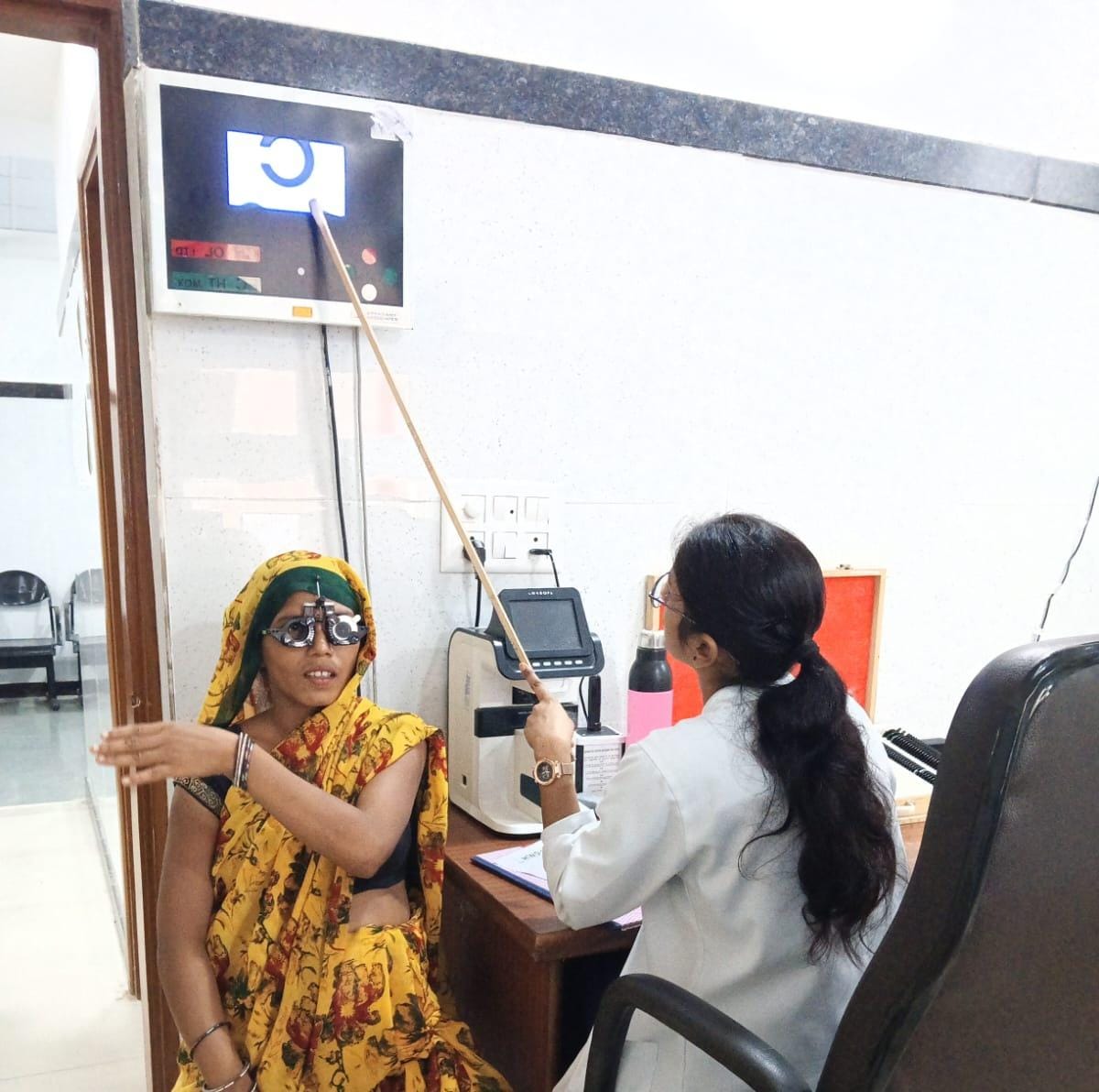
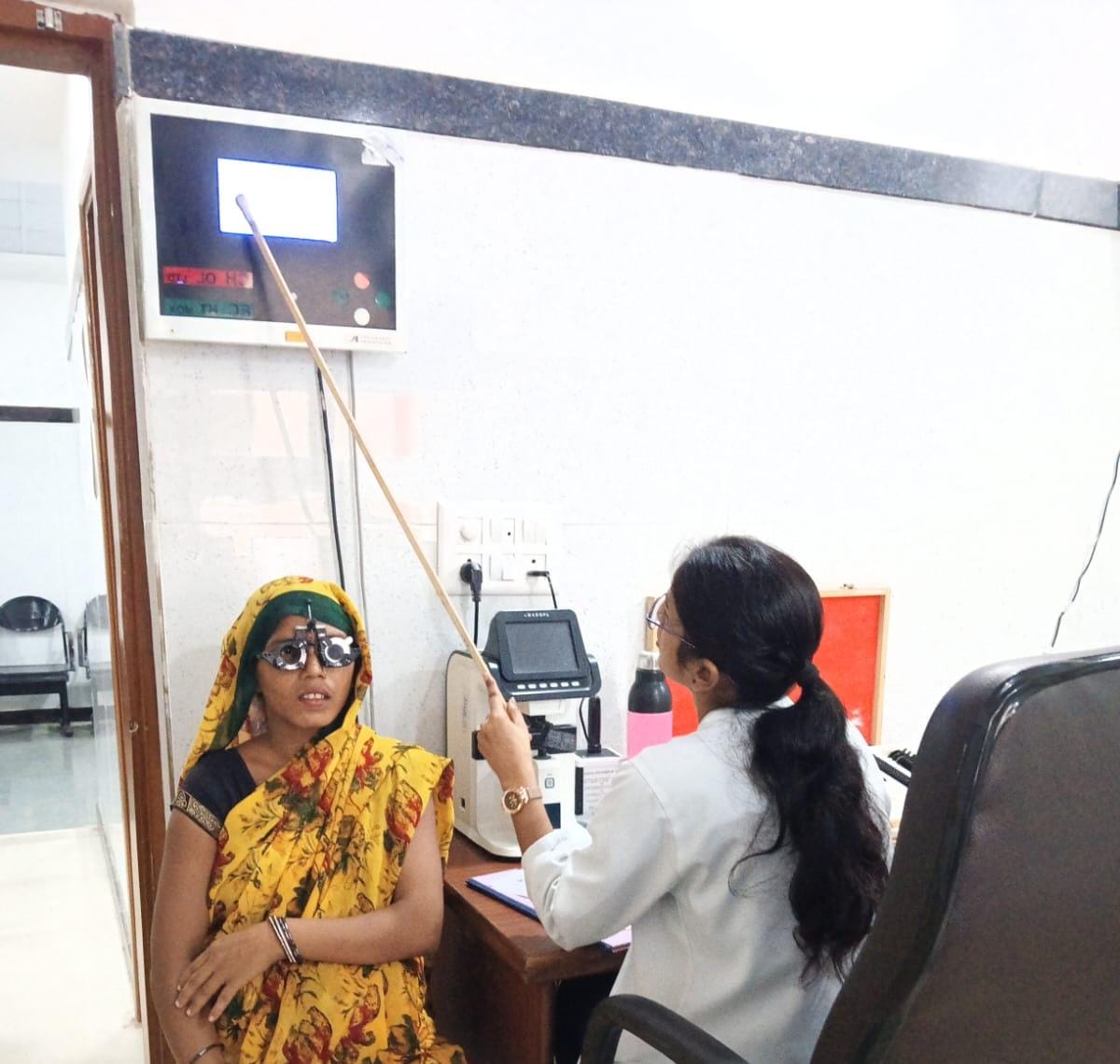
(a) Visual acuity testing
(b) IOP measurement – Schiotz, applanation tonometry & Non-contact tonometry
(c) Colour vision testing
(d) Contrast sensitivity testing
(e) Retinoscopy
2-Cataract
- Phacoemulsification
- Small Incision Cataract Surgery (SICS)
3-Cornea
(a) Diagnosis & management of Ocular surface disorders
(b) Diagnosis & management of Corneal ulcer
(c) Corneal tear repair
(d) AS-OCT for corneal thickness
(e)Management of corneal ectasias (keratoconus)
(f) Establishment of Eye bank) future goals
(g) pterygium excision
4- Retina
- Medical
(a) Argon laser
(b) PRP (Pan-Retinal Photocoagulation)
(c) Management of retinopathies (diabetic, hypertensive)
(d) Management of macular pathologies (macular edema, ARMD)
(e) Fundus fluorescein angiography (FFA)
(f) OCT-RNFL (Retinal Nerve Fiber Layer) analysis
(g) ROP management and management of pediatric tumours
2. Surgical
Anti-VEGF injection
Posterior sub-Tenon's injection
Retinal detachment surgery
Lens drop management
Vitrectomy & management of endophthalmitis
5. Uvea
(a) Diagnosis & management of uveitis - anterior, intermediate, posterior
(b) Posterior sub-Tenon's injection
(c) Ozurdex implants
6. Glaucoma
1. Medical
(a) Diagnosis & management of various types of glaucoma
(b) Visual field assessment (HFA)
(c) Optical coherence tonometry – Disc & Macula evaluation
(d) Gonioscopy
(e) Anterior segment- optical coherence tonometry
(f) Applanation tonometry
2. Surgical
(a) Trabeculectomy
(b) MIGS (Minimally Invasive Glaucoma Surgery)
(c) YAG Peripheral Iridotomy (YAG-PI)
6. Pediatric Ophthalmology
(a) Diagnosis & management of all types of tropia and phorias
(b) Diagnosis & management of amblyopia (including synoptophore exercises)
(c) ROP (Retinopathy of Prematurity) screening
(d) Retinoblastoma screening
7. Oculoplasty
(a) Diagnosis & management of ptosis
(b) Diagnosis & management of entropion & ectropion
(c) DCR (Dacryocystorhinostomy)
(d) Lid repair surgeries
(e) Diagnosis & management of various types of lid tumours
(f) Chalazion & stye management
(g) Management of proptosis
(h) Diagnosis & management- Orbital cellulitis
(i) Enucleation
(j) Evisceration
8. Neuro-Ophthalmology
(a) Diagnosis & management of various cranial nerve (CN) palsies with neuro physicians / surgeon
(b) Screening & management of papilledema.
(c) Screening & management of optic neuritis.
9. Ocular Trauma
Diagnosis & management of:
(a) Lid trauma repair.
(b) Chemical ocular burns.
(c) Conjunctival tear repair.
(d) Corneal tear repair.
(e) Traumatic optic neuropathy management.
Faculty
| Sr No | Name | Designation |
|---|---|---|
| 1 | Dr. Chander Mohan Kohli | Professor & HOD |
| 2 | Dr. Avaneesh Singh | Professor |
| 3 | Dr. Anshi Gupta | Associate Professor |
| 4 | Dr. Neha Verma | Assistant Professor |
| 5 | Dr. Meghna Roy | Assistant Professor |
| 6 | Dr. Shekhar Srivastava | Assistant Professor |
| 7 | Dr. Aradhna Mishra | Assistant Professor |
| 8 | Dr. Shrija Singh | Senior Resident |
| 9 | Dr. Shekhar Gupta | Senior Resident |
| 10 | Dr. Azad Srivastava | Senior Resident |